
Yes. Tampa has
hard water, and by most measures it is on the harder end of the scale. The City
of Tampa reports that the average total hardness of its finished water was 185
mg/L, or 10.8 grains per gallon, and that hardness across the system runs
roughly 140 to 300 ppm depending on the time of year. Anything above 120 ppm is
classified as hard water, so Tampa clears that line comfortably and then some.
That mineral
content is safe to drink. It is also the reason your shower door spots over
within a day of cleaning it, your faucets grow a chalky crust, and your water
heater starts making noises it did not make when it was new.
Where Tampa's Hard Water
Comes From
Tampa Water
Department customers get their water primarily from the Hillsborough River,
treated at the David L. Tippin Water Treatment Facility. Florida sits on
limestone, and limestone is largely calcium carbonate. As water moves through
and over that rock, it picks up calcium and magnesium. Those two minerals are
what "hardness" actually measures.
Hardness is not
constant through the year either. The city notes that levels run lower during
the wet season and higher during the dry season, so the scale buildup on your
fixtures tends to accelerate in the drier months. Homes on private wells in the
outlying parts of Hillsborough and Pasco counties often see different numbers
again, since they are drawing straight from the aquifer.
Signs of Hard Water in a
Tampa Home
Most homeowners
notice the symptoms long before they know the cause. The common ones:
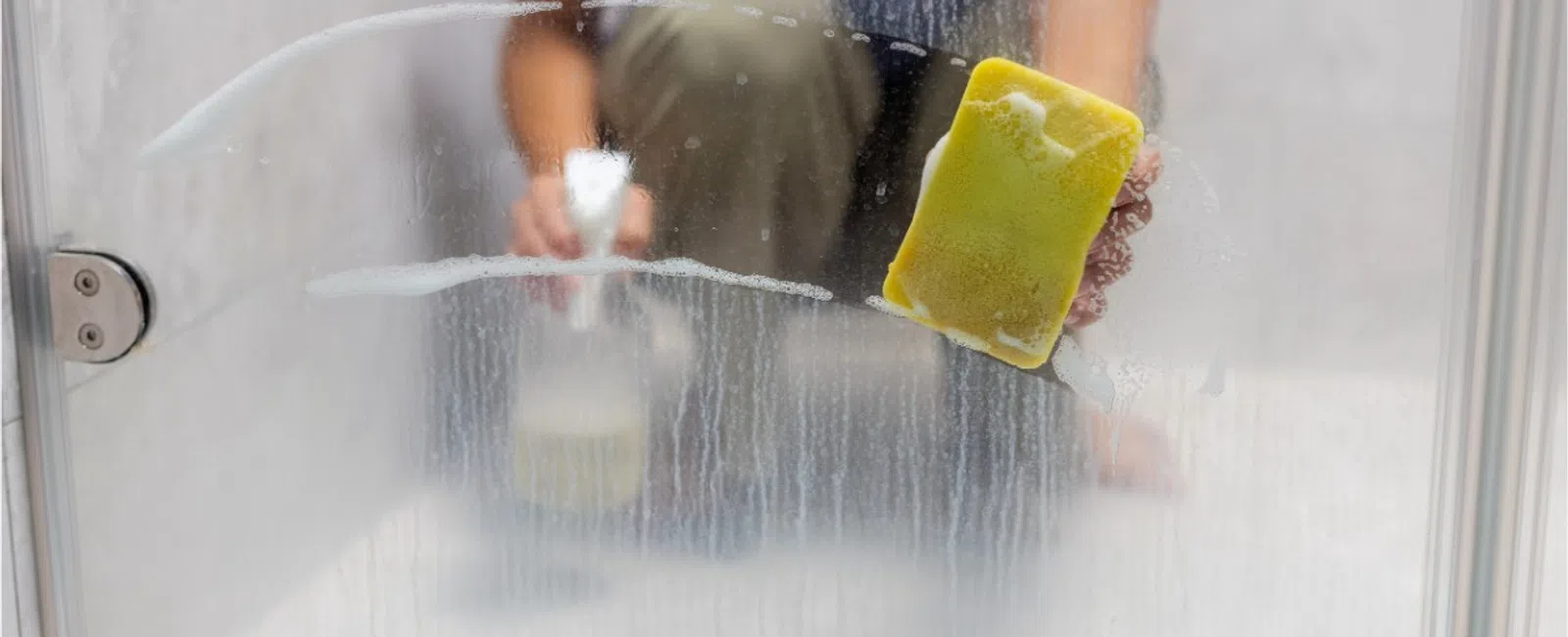
- White or cloudy spots on glassware, shower doors, and cookware that come back quickly after cleaning
- Chalky mineral crust on faucet aerators, showerheads, and around drains
- Soap and shampoo that will not lather well, and a film left on skin after a shower
- Laundry that feels stiff or looks dingy even with a full dose of detergent
- A ring in the toilet bowl that returns no matter how often it is scrubbed
- Water pressure at a specific fixture that has gradually dropped off
That last one
is the sign worth paying attention to. Spotty glassware is cosmetic. A single
fixture losing pressure usually means scale has narrowed the opening it flows
through, and that same process is happening everywhere else in the system where
the water slows down or heats up.
What Hard Water Does to
Pipes, Fixtures, and Appliances
Calcium and
magnesium stay dissolved while water is moving and cool. Heat them or slow them
down, and they drop out of solution and bond to whatever surface is handy. Over
years, that leaves a mineral lining inside pipes, valves, and appliances.
In practice, it
shows up as fixtures that drip because scale is holding a valve seat open,
aerators and showerheads that clog, angle stops under sinks that seize up and
will not turn, and dishwashers and washing machines that wear out sooner than
they should. None of it happens overnight, which is exactly why it goes
unnoticed until something stops working.
Water Heaters Take the Worst of It
A water heater
is the single appliance most affected by hard water, because heating the water
is what drives the minerals out of solution in the first place. In a
conventional tank, the sediment settles to the bottom and forms an insulating
layer between the burner or element and the water above it. The heater has to
run longer to hit the same temperature, which costs more to operate and puts
more wear on the unit.
The popping or
rumbling sound people describe in an older tank is usually water trapped under
that sediment layer boiling and escaping. Tankless units are not exempt either.
They have narrow heat exchanger passages, and scale narrows them further, which
is why manufacturers build descaling into their maintenance requirements.
Whether a Water Softener
Makes Sense in Tampa
For a lot of
Tampa homes, it does, but it is worth going in with clear expectations rather
than treating it as an automatic yes.
A traditional
ion exchange softener swaps the calcium and magnesium for sodium and genuinely
removes hardness. Salt-free conditioners take a different approach, altering
the minerals so they are less likely to bond to surfaces without actually
taking them out of the water. Both reduce scale. They are not the same product, and they do not produce the same results, so the choice depends on what is
bothering you most.
The City of
Tampa also raises two cautions worth knowing about. Softened water can be more
corrosive to household pipes, and a softener that is not maintained can break
down internally, sending resin material into toilet tanks and water heaters and
creating a potential contamination point. A softener is a piece of plumbing
equipment, not an appliance you install and forget, and it needs to be sized
and installed for the house it is serving.
How a Plumber Evaluates
Hard Water Damage
If hard water
has been working on a house for years, the useful question is not whether you
have it. It is how much it has already cost you. A visit to sort that out
generally runs like this:
- Test the water at the tap to establish the actual hardness at your address, since it varies across the service area and differs again on well water.
- Check flow and pressure at several fixtures to find where scale has already restricted the lines.
- Inspect the water heater for sediment, listen for the sounds that indicate buildup, and look at the condition of the anode rod and connections.
- Look over accessible supply lines, shutoff valves, and angle stops for scale and corrosion, especially at older joints.
- Talk through whether treatment is worth it for your house, and what it would take to install it correctly.
Frequently Asked Questions
Is the water in Tampa hard or soft?
Hard. The City
of Tampa reported an average total hardness of 185 mg/L, or 10.8 grains per
gallon, and levels across the system range from about 140 to 300 ppm through
the year. Water above 120 ppm is considered hard.
Does all of Florida have hard water?
Most of it
does. Florida's limestone geology puts calcium and magnesium into both surface
water and groundwater across the state, though the exact hardness varies quite
a bit by utility and by whether a home is on city water or a private well.
Is hard water safe to drink?
Yes. Hard water
is a nuisance for plumbing and fixtures, not a health hazard. The calcium and
magnesium in it are the same minerals found in food.
Do you need a water softener in Florida?
It is not
required, and plenty of Florida homes run without one. It becomes worth
considering when scale is visibly shortening the life of your fixtures and
appliances, when you are replacing a water heater and want to protect the new
one, or when the spotting and soap film have simply become a daily annoyance.
Why does hard water affect my hair and
skin?
Hard water
keeps soap and shampoo from lathering properly and leaves a mineral and soap
residue behind on skin and hair, which is what causes the filmy or dried out
feeling after a shower.
Can hard water damage be reversed?
Scale already
built up inside pipes and a water heater does not undo itself, but fixtures can
be cleaned or replaced, a water heater can be serviced, and treating the
incoming water stops further buildup from that point forward.
Getting a Straight Answer
About Your Water
Hard water in
Tampa is a given. What is not a given is how much it has already affected your
particular house, which depends on the age of your plumbing, how your water
heater has been maintained, and whether anything has ever been done to treat
it. If the signs above sound familiar, reach out to Dalmatian Plumbing Tampa, and we
will take a look and tell you plainly what we find.