
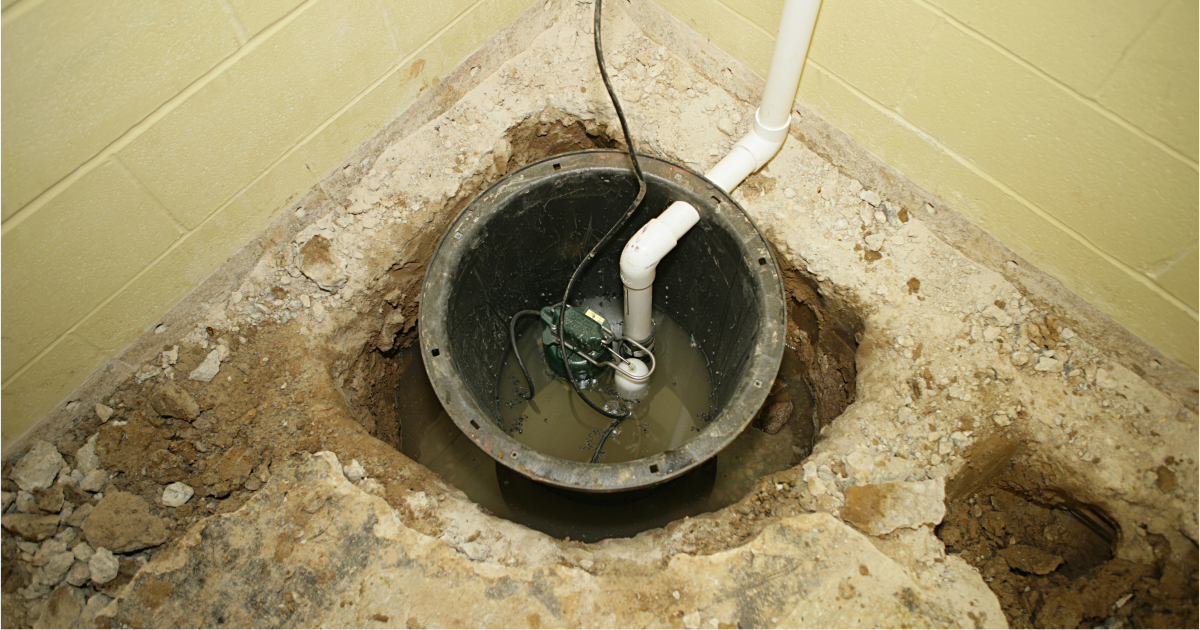
A sump pump is a small electric pump that sits in a pit,
called a sump basin, at the lowest point of a home. When groundwater or
rainwater collects in that pit, the pump switches on automatically and pushes
the water out through a pipe to a spot safely away from the foundation. Its job
is simple: keep water from building up under or inside your house.
A Sump Pump Keeps Water From Collecting Around Your Foundation
The word "sump" just means a low area where liquid
collects. In a home, the sump is a pit dug into the lowest floor or ground
level, usually lined with a plastic or fiberglass basin. Water naturally drains
toward that low spot, and the pump inside removes it before it can rise high
enough to cause damage.
The purpose of a sump pump comes down to three things:
- Preventing flooding in below-grade spaces during heavy rain or when groundwater rises.
- Protecting the foundation from the pressure and erosion that standing water causes over time.
- Controlling moisture that leads to mold, mildew, musty odors, and wood rot.
What a Sump Pump Looks Like
If you have one, you will usually see a round hole in the
floor about the size of a five-gallon bucket or larger, often covered with a
lid. Inside sits a cylindrical pump, typically black, gray, or green, with a
float attached to it and a white PVC pipe running up out of the pit and through
the wall. On some models, the motor sits on a column above the pit instead of
underwater.
How a Sump Pump Works
Every sump pump system follows the same basic cycle:
- Water reaches the pit. Groundwater seeps through the surrounding soil, or a perimeter drain (a perforated pipe buried around the foundation) channels water into the basin.
- The water level rises. As the basin fills, a float rises with it, much like the float in a toilet tank.
- The float switch turns the pump on. Once the float reaches a set height, it triggers the motor.
- The impeller moves the water. A spinning impeller inside the pump creates the force that pushes water up and out through the discharge pipe.
- A check valve blocks backflow. This one-way valve on the discharge line keeps pumped water from falling back into the pit when the motor stops.
- The water exits away from the house. The discharge line carries the water to a drainage area, swale, or approved outlet where it will not flow back toward the foundation.
- The pump shuts off. When the water drops, the float lowers and the pump turns off until the next cycle.
That automatic cycle is why a sump pump can protect a home
even when nobody is there to notice rising water.
The Parts of a Sump Pump System
|
Component |
What
It Does |
|
Sump basin (sump pit) |
The liner set into the ground
that collects water and holds the pump |
|
Pump and motor |
Moves water out of the basin
using a spinning impeller |
|
Float switch |
Senses the water level and turns
the pump on and off automatically |
|
Discharge pipe |
Carries water from the pump to a
drainage point outside the home |
|
Check valve |
Stops water in the discharge
line from draining back into the pit |
|
Perimeter drain (drain tile) |
Optional buried pipe that
collects groundwater around the foundation and routes it to the basin |
|
Backup pump or battery |
Keeps water moving if the main pump fails or the power goes out |
The Main Types of Sump Pumps
Submersible Sump Pumps
A submersible pump sits entirely inside the basin,
underwater. The motor is sealed in a waterproof housing, and the surrounding
water helps keep it cool. Submersible pumps run quietly, take up no floor
space, and are the most common choice for homes that need steady, reliable
water removal.
Pedestal Sump Pumps
A pedestal pump keeps the motor on a column above the pit,
with only the intake down in the water. Because the motor stays dry, pedestal
pumps are easier to reach for service. They are louder and more visible, and
they fit best where the basin is small or narrow.
Battery Backup Sump Pumps
A backup pump sits alongside the primary pump and runs on a
battery when the power goes out or the main pump cannot keep up. For Tampa
homeowners, this matters. The heaviest rain often arrives with tropical storms
and hurricanes, which is exactly when power is most likely to fail.
How a Sump Pump Differs From a Sewage Ejector Pump
These two get confused often. A sump pump handles
groundwater and rainwater. A sewage ejector pump moves wastewater from toilets
and drains that sit below the main sewer line. They are separate systems and
should never be combined.
Most Tampa Homes Do Not Have Basements
If you moved to Tampa from the Northeast or Midwest, you may
have noticed that nobody here talks about basement sump pumps. Basements are
rare throughout Florida for a few connected reasons:
- A high water table. In much of the Tampa Bay area, groundwater sits close to the surface, which makes digging and keeping a below-grade room dry impractical.
- Karst geology. Much of Florida sits on porous limestone that is prone to sinkholes, which complicates deep excavation.
- Flood and storm risk. Heavy rain and storm surge make below-ground living space a liability, so local builders favor slab-on-grade and raised foundations instead.
So does every house have a sump pump? No. Most Tampa homes
are built on concrete slabs and never needed one. But a high water table is
also the exact condition that makes sump pumps useful in the homes that do have
low spaces.
Where Tampa Homes Actually Use Sump Pumps
Crawl Spaces Under Older and Raised Homes
Many older Tampa neighborhoods, including Seminole Heights,
Hyde Park, and Tampa Heights, have bungalows and frame homes built on raised
pier foundations with crawl spaces underneath. Newer homes in flood zones are
often elevated too. When groundwater rises or rain runs under the house, water
can pool in the crawl space and sit there for weeks. A sump pump in a crawl
space works the same way as one in a basement: water drains to a basin at the
lowest point, and the pump sends it out.
Below-Grade Garages, Rooms, and Additions
Some homes, especially on sloped lots or with custom
additions, have a garage, workshop, or room that sits partly below the
surrounding grade. Those spaces are water collectors during summer downpours,
and a sump system can keep them usable.
Low Yards and Standing Water
If water pools against your foundation or turns part of the
yard into a pond after every storm, a yard drain feeding an outdoor sump basin
can move that water to a better drainage point. This is a common fix for
low-lying lots that the regular grading cannot handle.
High Water Table Areas
In areas with a high water table, a sump pump may run even
when it has not rained recently, because groundwater keeps rising into the pit.
That is normal for these locations, though a pump that runs constantly or
cycles every few seconds should be checked.
Where Sump Pump Water Goes
Sump pump water should always end up somewhere that carries
it away from your home and does not create a problem for someone else. Common
discharge points include a yard area that slopes away from the house, a swale,
a dry well, or an approved storm drainage connection.
Signs Your Tampa Home Could Use a Sump Pump
- Standing water in the crawl space after rain, or water that stays there for days
- A musty smell coming up through the floors
- Mold, mildew, or rot on floor joists, piers, or subflooring
- Water entering a garage or low room during storms
- Puddles that collect against the foundation instead of draining away
- White, chalky mineral deposits on block or concrete walls, a sign water has been moving through them
- Floors that feel soft or have started to sag
Rainy Season Is When a Sump Pump Earns Its Keep
A few things help a sump pump stay ready:
- Have it inspected before the rainy season. A plumber can confirm the float, check valve, and discharge line are all working.
- Keep the discharge outlet clear. Leaves, mulch, and storm debris can block the end of the line outdoors.
- Plan for power loss. A battery backup keeps water moving when the grid goes down. If you run a generator, keep it outdoors and well away from the house.
- Listen for changes. Grinding, rattling, a motor that runs without moving water, or a pump that never seems to shut off are all reasons to call for service.
Get Sump Pump Help From Dalmatian Plumbing in Tampa
Whether you have water sitting under your house, a pump that
will not shut off, or you are simply not sure whether your home needs one,
Dalmatian Plumbing can help. Our Tampa plumbers inspect crawl spaces and low
areas, recommend the right solution for your property, and install or repair
sump pump systems with proper discharge that follows local rules.
Contact us today to schedule a service.
Frequently Asked Questions About Sump Pumps
Does every house have a sump pump?
No. Sump pumps are installed where water tends to collect
below or around a home, such as basements, crawl spaces, and low garages. Most
Tampa homes are built on concrete slabs without basements, so they never needed
one. Homes with crawl spaces, below-grade rooms, or poor yard drainage are the
ones most likely to benefit.
Do all basements need a sump pump?
Not all, but most basements in areas with a high water
table, heavy rainfall, or poor soil drainage need one. A basement with no
history of water and good exterior drainage may not. In Florida, where
basements are rare and groundwater sits close to the surface, any below-grade
space should be evaluated for water management.
Where does sump pump water go?
Sump pump water travels through a discharge pipe to a spot
away from the foundation, such as a sloped yard area, swale, dry well, or
approved storm drainage point. In Tampa, it should not go into the sanitary
sewer, because city wastewater standards prohibit discharging stormwater and
groundwater into that system.
Where does sump pump water come from?
The water comes from groundwater seeping up through the soil
and from rain that soaks into the ground around the home. Some systems also
have a perimeter drain that collects water around the foundation and routes it
into the sump pit. In high water table areas, groundwater alone can fill the
pit.
Why does my sump pump run when it has not rained?
In high water table areas, groundwater can keep rising into
the pit even during dry spells, so some pump activity is normal. A pump that
runs nonstop, cycles on and off every few seconds, or runs with no water in the
pit may have a stuck float, failed check valve, or other problem that needs a
plumber.
Is a sump pump the same as a sewage ejector pump?
No. A sump pump removes clean groundwater and rainwater. A
sewage ejector pump moves wastewater from fixtures that sit below the sewer
line. The two systems are separate, and a sump pump should never be connected
to the sewer.